Laser hair removal involves the application of intense pulsating light that passes through the skin to the hair follicle. The heat of the laser damages the follicle, inhibiting further hair growth. Although many believe the procedure permanently stops hair growth, patients require several sessions to achieve lasting results, in addition to periodic maintenance treatments. Common treatment areas include the upper lip, armpits, legs, chin, and bikini lines, though dermatologists may remove hair from any external part of the body. Several factors influence outcome, such as skin and hair color. Those with light skin and dark hair generally experience the best results. Individuals with dark skin run the risk of damage to melanin in the skin, resulting in permanent discoloration. Those with white, gray, and blond hair have varying rates of success, but they may achieve better results with other treatments.
The laser hair removal process causes relatively few side effects. In addition to the possibility of skin discoloration for people with dark skin, some patients report scabbing or irritation. Very few experience blistering or permanent changes in skin texture. In general, the procedure is very safe. Before undergoing laser hair removal, dermatologists ask that patients refrain from tanning or wait until a tan fades. Patients should also avoid waxing, plucking, and electrolysis, as these procedures affect the follicle. Individuals may still shave; in fact, some studies suggest that shaving improves results.
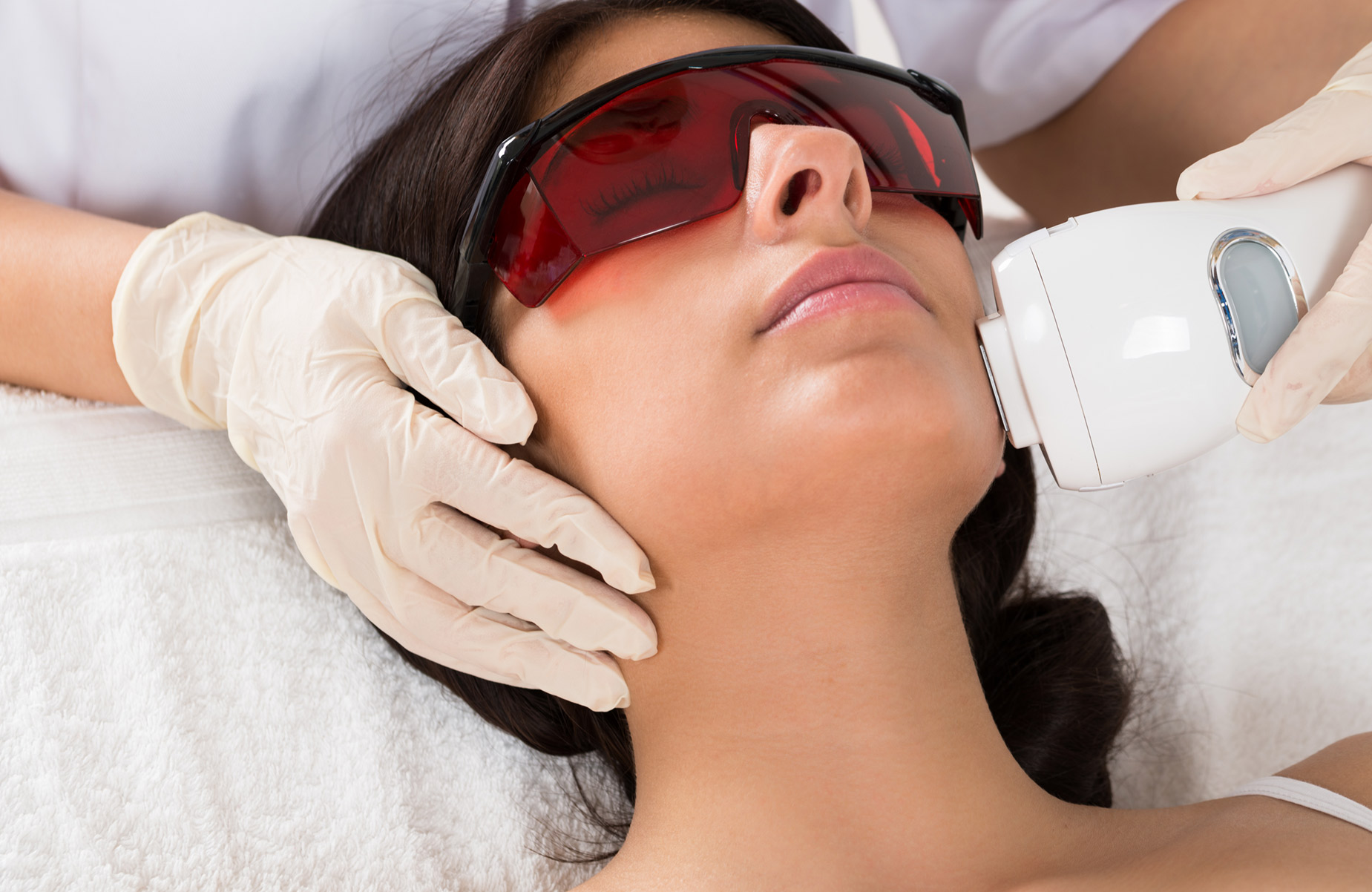
During the procedure, the dermatologist uses a handheld laser to affect hair follicles. Patients sometimes describe a dull, stinging sensation as the dermatologist applies the laser. The process takes anywhere from a couple minutes to several hours, depending on the extent of hair removal. After the procedure, the skin may appear red and swollen for a few hours. Sometimes, the stinging sensation endures for a couple of days. Patients must carefully clean the area and avoid any trauma, including scrubbing or sun exposure.